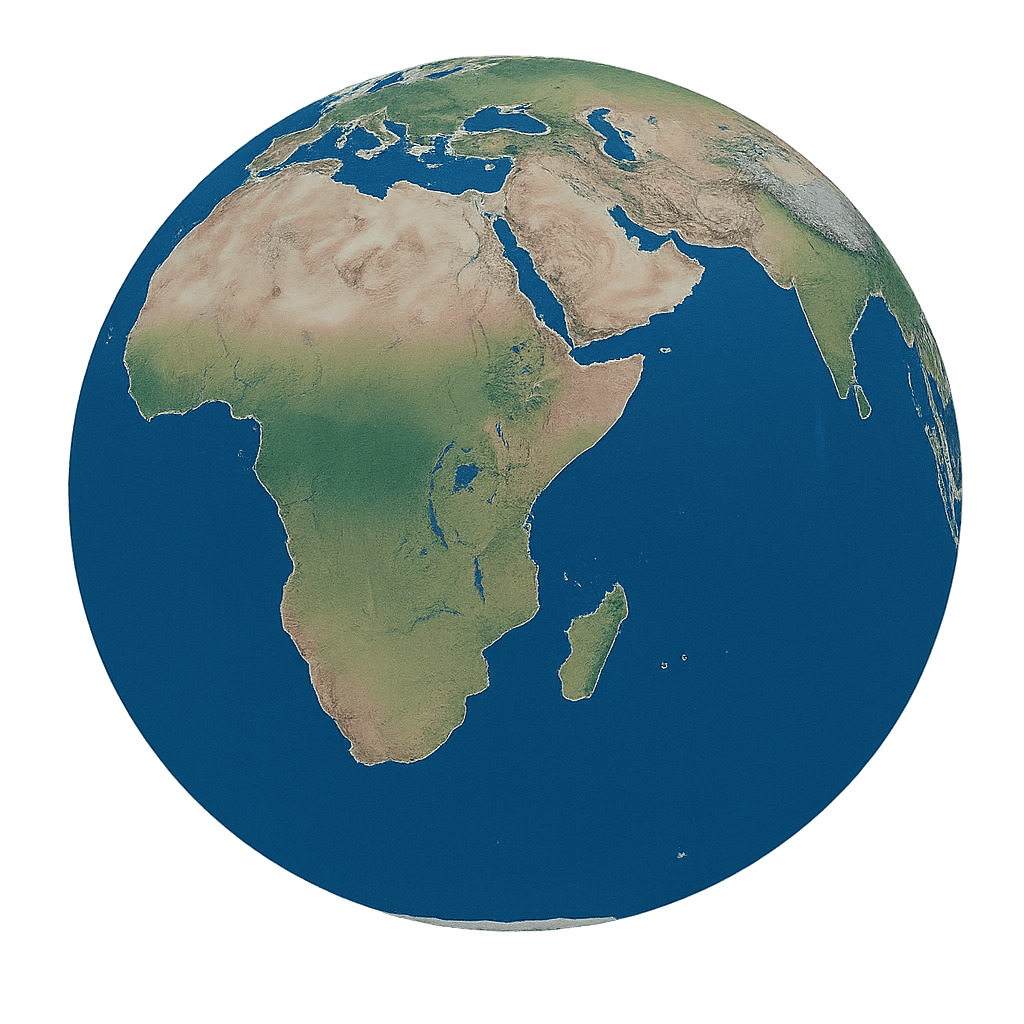

South Africa Reports Sharp Increase in Malaria Cases
"Malaria cases have increased across parts of southern Africa following unusually heavy rainfall and recent flooding, creating more favorable conditions for mosquito breeding and malaria transmission," the National Institute for Communicable Diseases (NICD) said in a statement.
"This seasonal rise has also resulted in an increase in malaria cases detected in South Africa, including in provinces where malaria is not normally transmitted," it added.
The scale of the spike is most stark in Gauteng, where 414 confirmed cases and 11 deaths were logged in the first quarter of 2026 alone — nearly double the 230 cases and one death recorded during the same period in 2025, provincial health data showed.
Authorities clarified, however, that the overwhelming majority of Gauteng infections are imported, with patients having contracted the disease in endemic provinces — Limpopo, Mpumalanga, and KwaZulu-Natal — or during international travel. The NICD emphasized that because malaria-transmitting mosquitoes are absent in Gauteng, person-to-person transmission cannot occur there, noting that "in areas like Gauteng, where malaria-transmitting mosquitoes do not occur, people infected with malaria cannot transmit malaria to others."
Malaria transmission within South Africa remains concentrated in the low-altitude corridors of endemic provinces, where environmental conditions sustain mosquito populations capable of spreading the disease.
The flooding's toll on endemic regions is equally severe. Mpumalanga recorded more than 300 cases in January alone, while neighboring malaria-endemic nations have reported parallel surges, the NICD noted.
Health officials sounded the alarm over diagnostic delays, warning that while the disease is both preventable and treatable, late detection can rapidly escalate to severe illness or death. Travelers heading to high-risk areas were strongly urged to take prophylactic medication and remain vigilant.
The NICD further advised that anyone experiencing flu-like symptoms following travel to endemic regions seek immediate medical attention and request malaria testing without delay, stressing that "early diagnosis and prompt treatment save lives."
Legal Disclaimer:
EIN Presswire provides this news content "as is" without warranty of any kind. We do not accept any responsibility or liability for the accuracy, content, images, videos, licenses, completeness, legality, or reliability of the information contained in this article. If you have any complaints or copyright issues related to this article, kindly contact the author above.
